Blog
Can an Older Oil Boiler Be Repaired? How to Decide
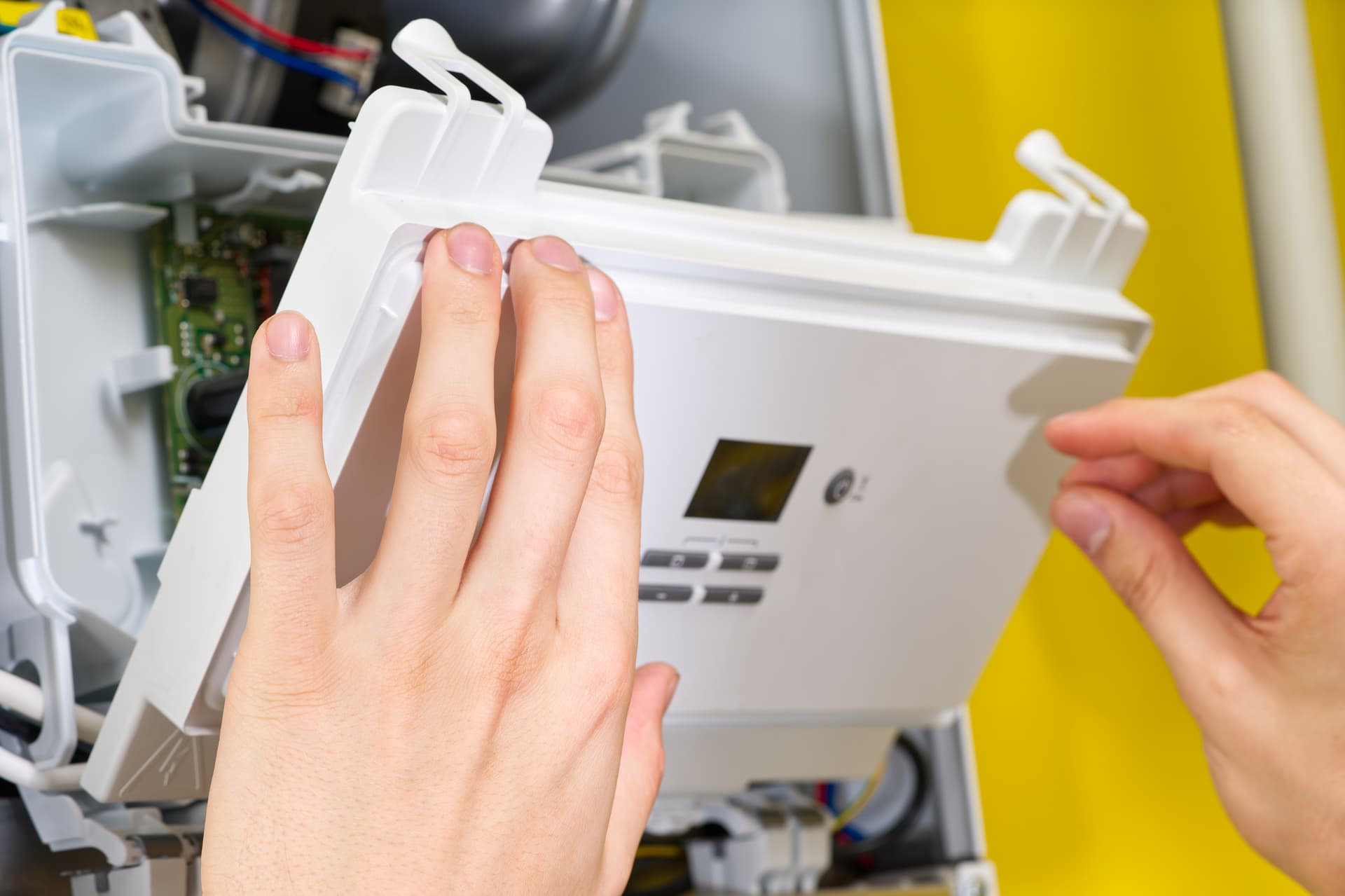
Age alone does not decide whether a boiler can be repaired
When an oil boiler stops working, its age is only one part of the decision. The more useful question is whether the fault can be repaired safely and reliably, and whether the parts needed are available and suitable for that particular model.
That distinction matters with older or out-of-production boilers. A boiler may have years of service behind it but still have a repairable fault. Equally, a relatively straightforward breakdown can expose other problems that make putting the boiler back into service a poor choice. The answer depends on evidence from the appliance and its condition, not age alone.
Start with the fault, not the model’s age
Different faults affect different parts of the boiler. A problem with a replaceable component is not the same as damage to a major part of the boiler or a fault that has affected other parts of the system. The symptoms you notice can help describe what is happening, but they do not always identify the failed component.
For example, a boiler that repeatedly fails to fire may have a fault in one of several parts involved in starting and running. Replacing a component based only on that symptom can miss the underlying cause. A useful repair decision depends on identifying the cause, checking what else may have been affected and establishing whether the proposed fix addresses the actual fault.
If you contact us about an oil boiler repair, useful details include the boiler make and model, any fault light or message, what happens when you try to use it, and whether the problem has happened before. These details do not replace an assessment, but they can help distinguish a new fault from a recurring one.
Check whether the correct part can be sourced
When a boiler model is no longer being made, some parts may still be available while others may be difficult or impossible to obtain. Availability alone is not enough: the part must also be appropriate for the exact boiler and suitable for the repair being considered.
A replacement part that looks similar is not automatically interchangeable. Differences in connections, controls or the way a component works can affect whether it is compatible. If an exact part cannot be sourced, the next question is whether there is a suitable alternative that can be fitted safely. If there is not, replacing the boiler may be the more practical route.
It is reasonable to ask what part has failed, whether it is available for your model and what the alternative would be if it is not. That gives you a clearer basis for comparing repair with replacement, rather than treating “old boiler” as a diagnosis.
Consider the condition of the whole system
A repair decision should take account of more than the failed component. The boiler’s general condition, the pattern of previous faults and the state of the connected heating system can all change what makes sense. One isolated fault on an otherwise serviceable appliance is different from recurring breakdowns alongside signs of wider deterioration.
Think about what has happened over time. Has the boiler stopped once, or have you needed repeated attention for separate issues? Does the heating work normally once the boiler is running, or are there other symptoms across the system? These observations are useful context, but avoid dismantling the appliance or attempting an internal repair. Oil-fired equipment should be assessed by a suitably qualified person.
For homes around Masham and the wider North Yorkshire area, the building and heating system can vary considerably. The right option for one property is not automatically right for another, so the boiler’s condition and the needs of the system should be considered together.
Choose repair or replacement by comparing the evidence
A repair is more likely to make sense when the fault is clearly identified, a suitable part can be fitted, and the rest of the appliance is in a condition that supports continued use. Replacement deserves closer consideration when the fault cannot be resolved reliably, an appropriate part cannot be obtained, or the repair would leave significant concerns about the boiler’s wider condition.
Ask for the reasoning behind the recommendation. What has failed? What evidence points to that cause? Is the part suitable for this model? Are there other issues that could affect how the boiler performs after the repair? If replacement is being considered, ask what makes repair an unsuitable option in this particular case.
At JSD Services, we provide oil boiler repairs and installations, and we are OFTEC Registered. If you are weighing up the options for an older appliance, the Oil Boiler Repairs page has an overview of the service. The decision should come down to the diagnosed fault, the availability and suitability of parts, and the condition of your boiler and heating system, not its age in isolation.
Other Articles